Owner-Operator
Packwood Ventures
- Built Ledger Suite: end-to-end accounting and tax, entirely in-house.
- Rental management across the portfolio: capital improvements, pricing, contracts, project management, tenant relations.
- No SaaS products used.
Owner-Operator · Greater Seattle Area
I build systems and then keep the books on them — rental property, in-house accounting software, and a decade of shipped engineering work. Everything on this page is measured.

Real estate
Acquired, renovated, and operated under Packwood Ventures. No property manager, no SaaS — leasing, contracts, capital projects, and the books, all in-house.
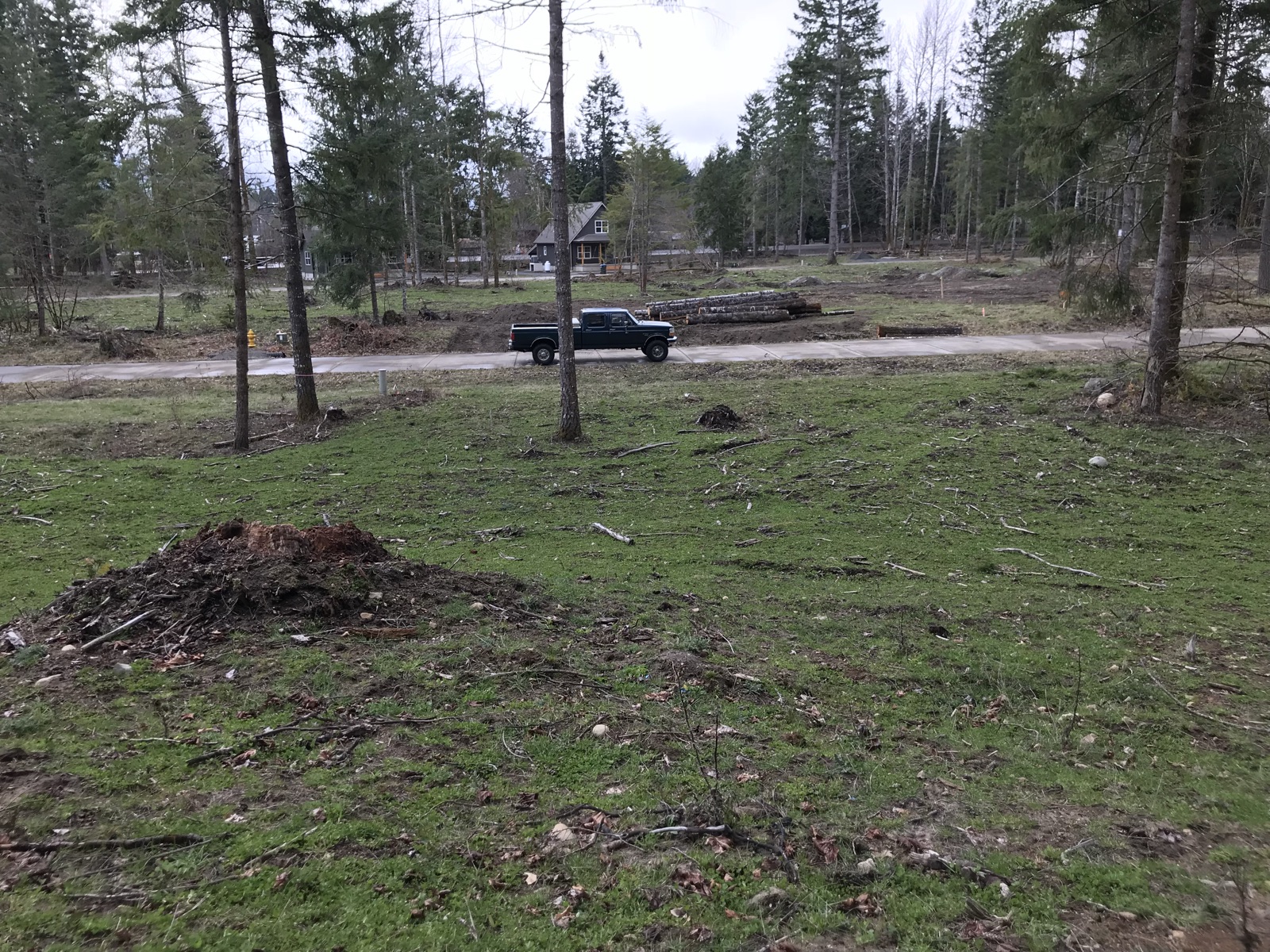
Rental · Packwood Ventures · Parcel record ↗
An overgrown Packwood parcel brought back to usable ground — trees and brush cleared, stumps ground down, debris hauled off, and the lot graded.
| Gross revenue to date | $ — |
| Annual cash flow | $ — |
| Annualized ROI | — % |
 before
 after
after
 before
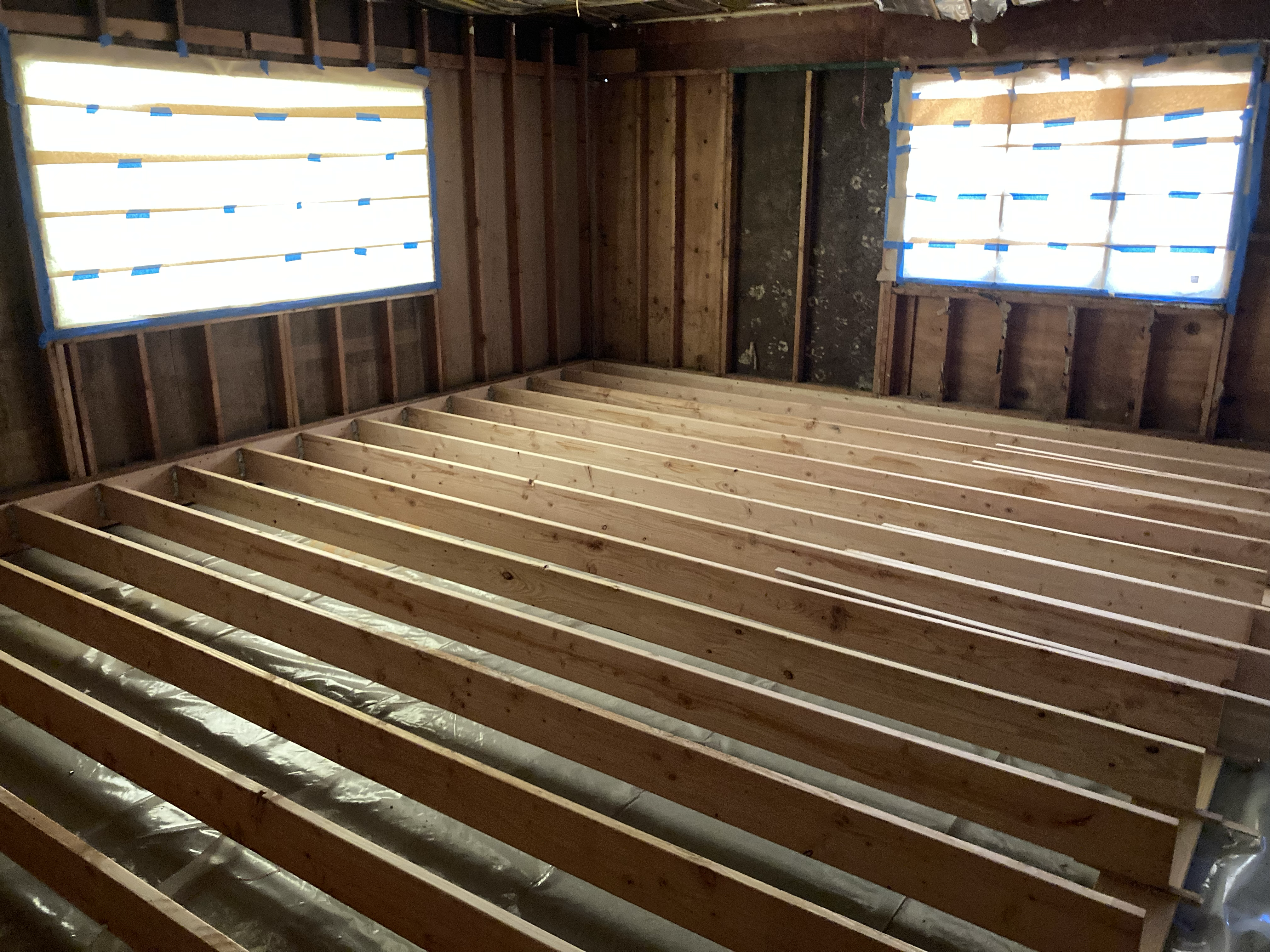 during
 after
after
Rental · Packwood Ventures · Parcel record ↗
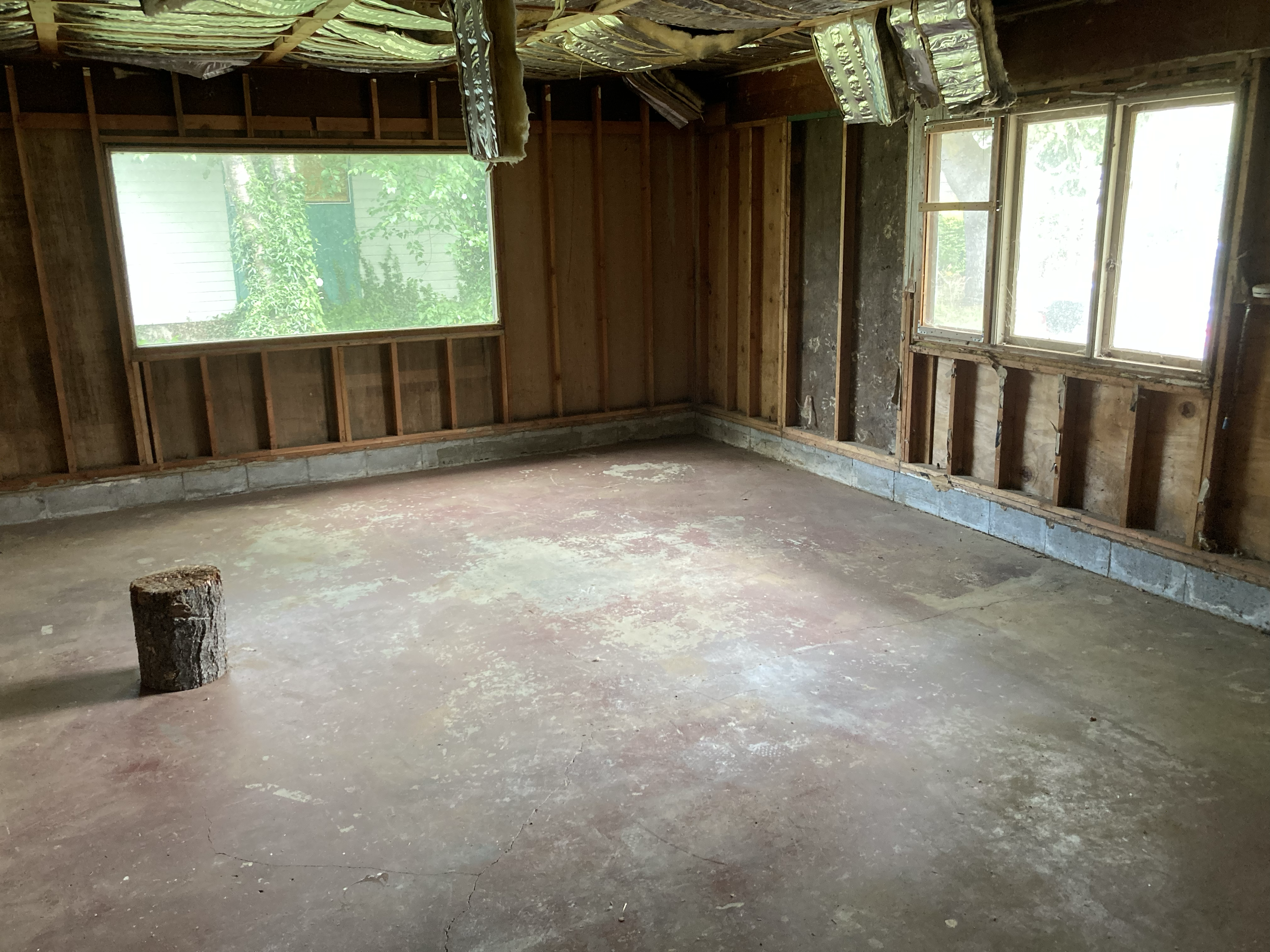
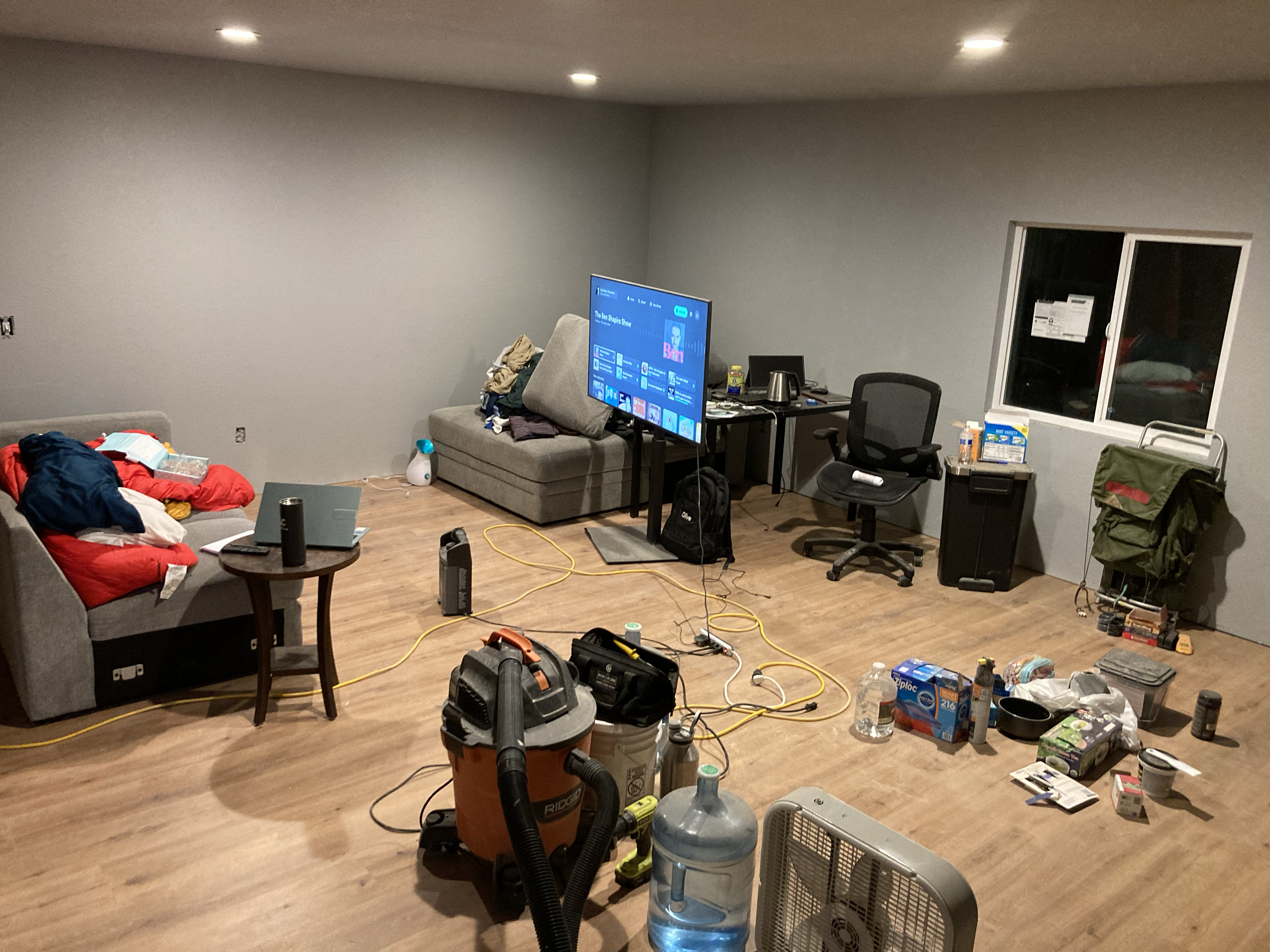
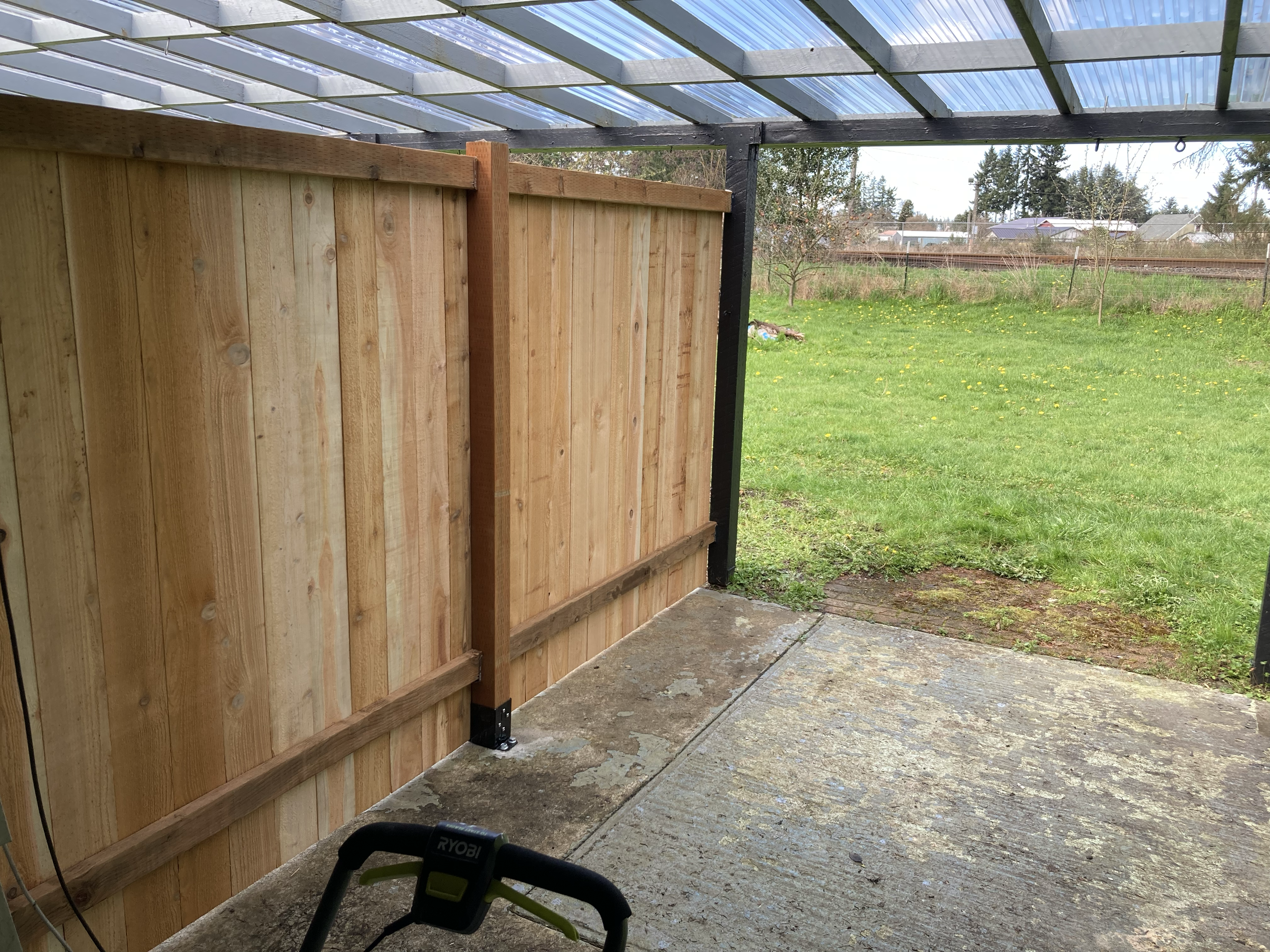
The story of Galvin Road goes here — acquisition thesis, the work done, the result. The garage became Unit C: taken down to the studs and bare slab, then rebuilt with an insulated subfloor, framing, drywall, plank flooring, recessed lighting, and new windows.
| Down payment to purchase | $18,000 |
| Cash-flow positive by | Month 3 |
| New roof, year 1 | $18,000 |
| Garage → Unit C conversion | $50,000 |
| Sold | $525,000 |
 before
 after
after
Rental · Packwood Ventures · Parcel record ↗
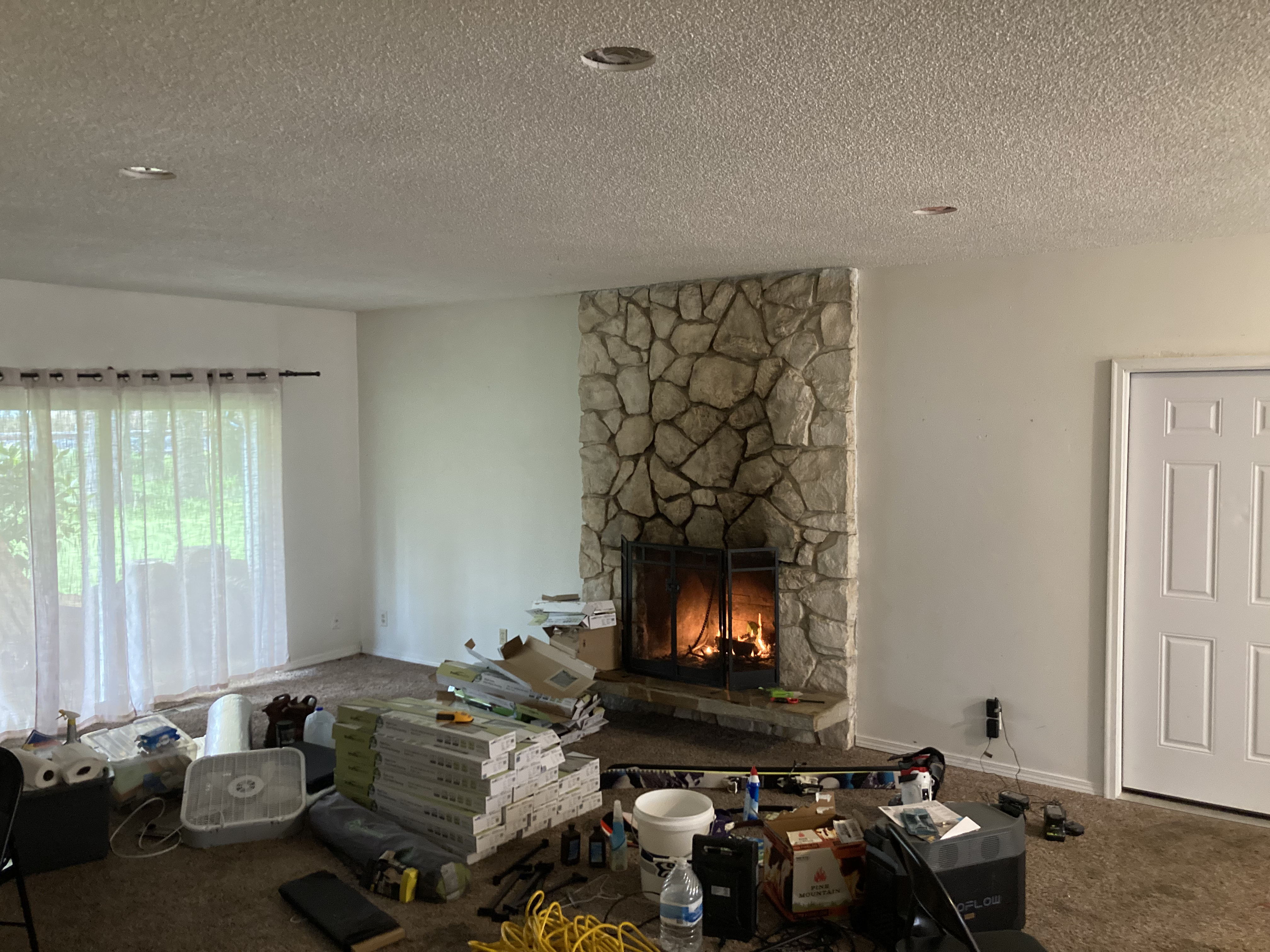
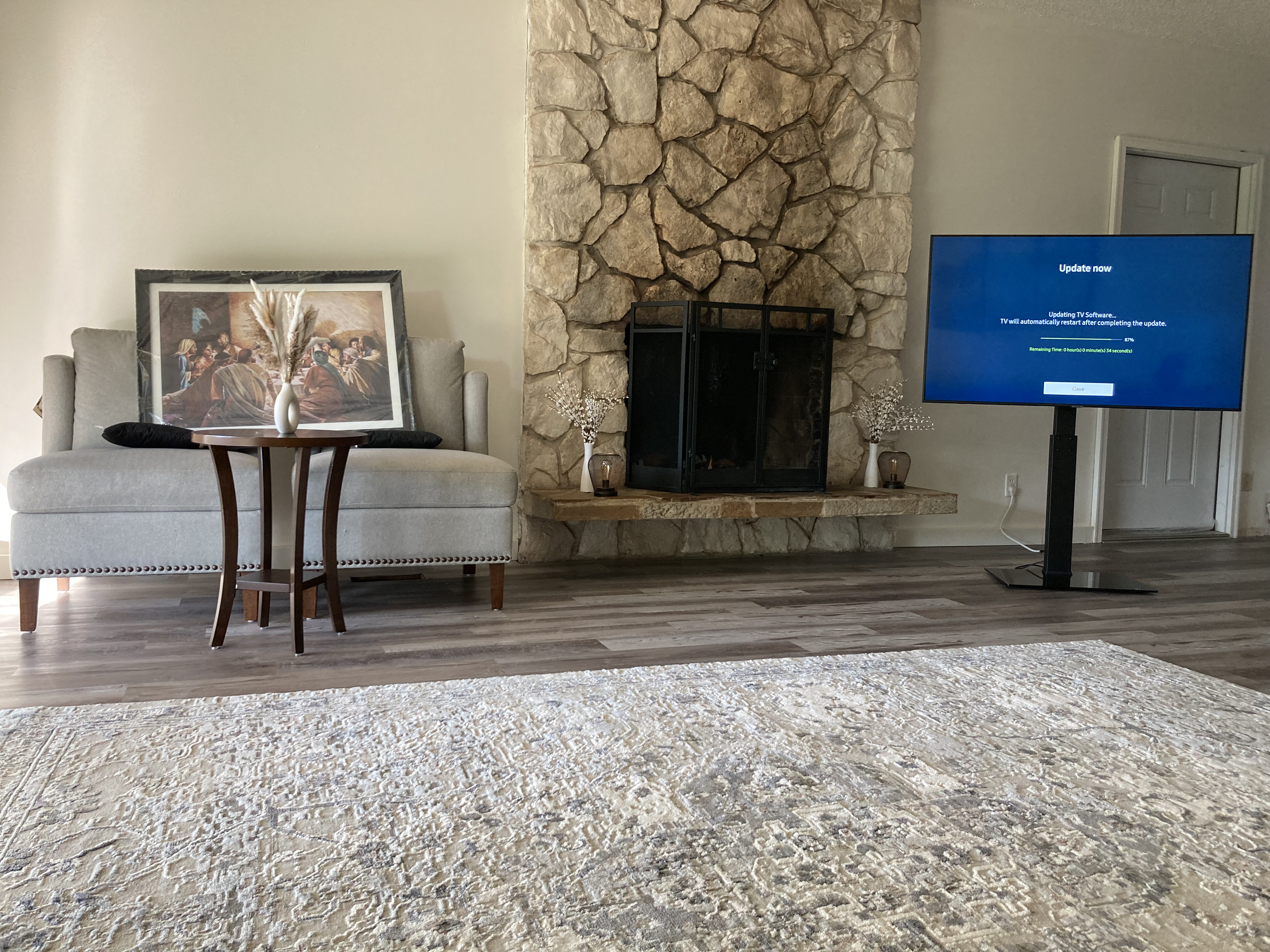
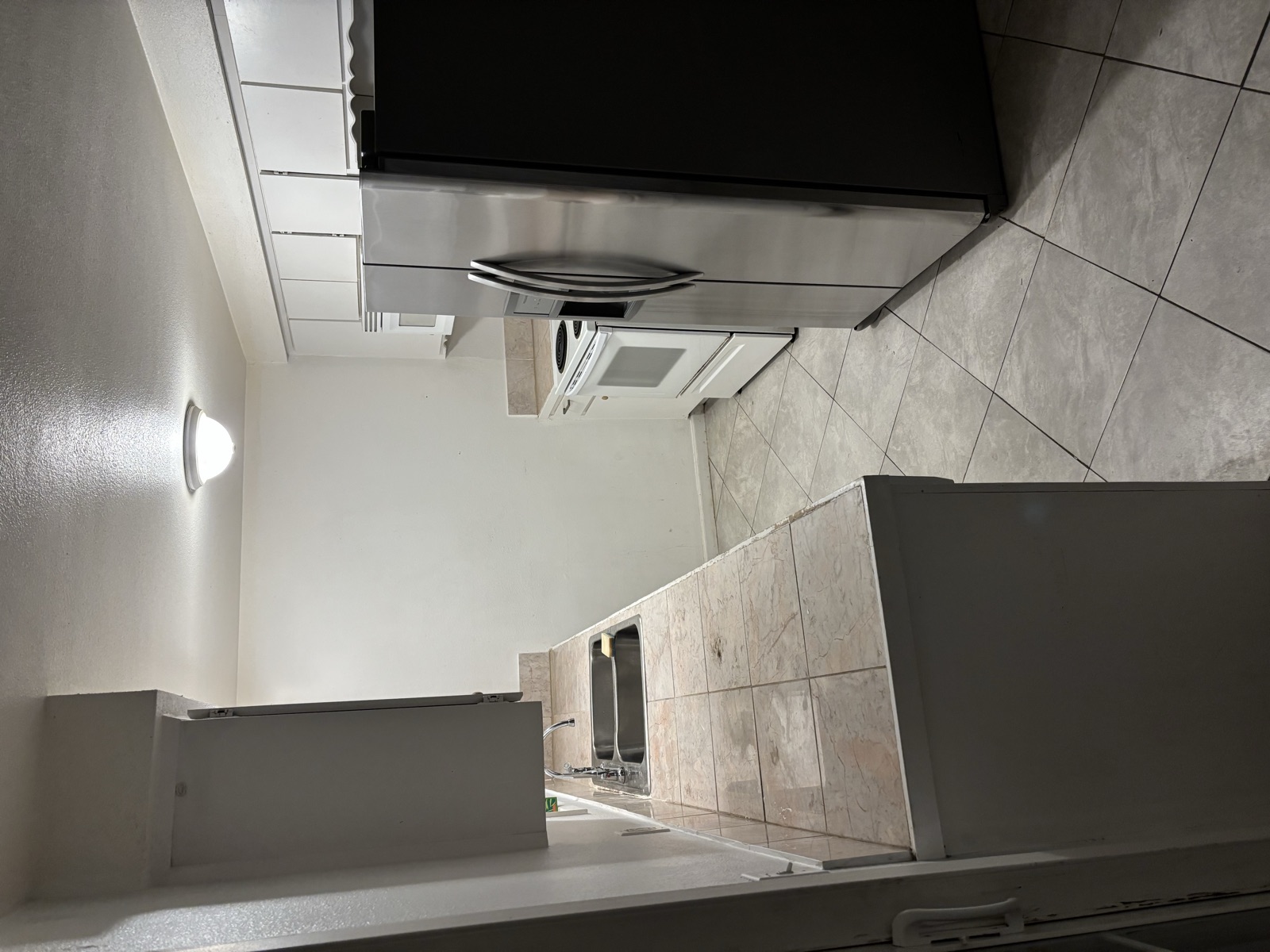
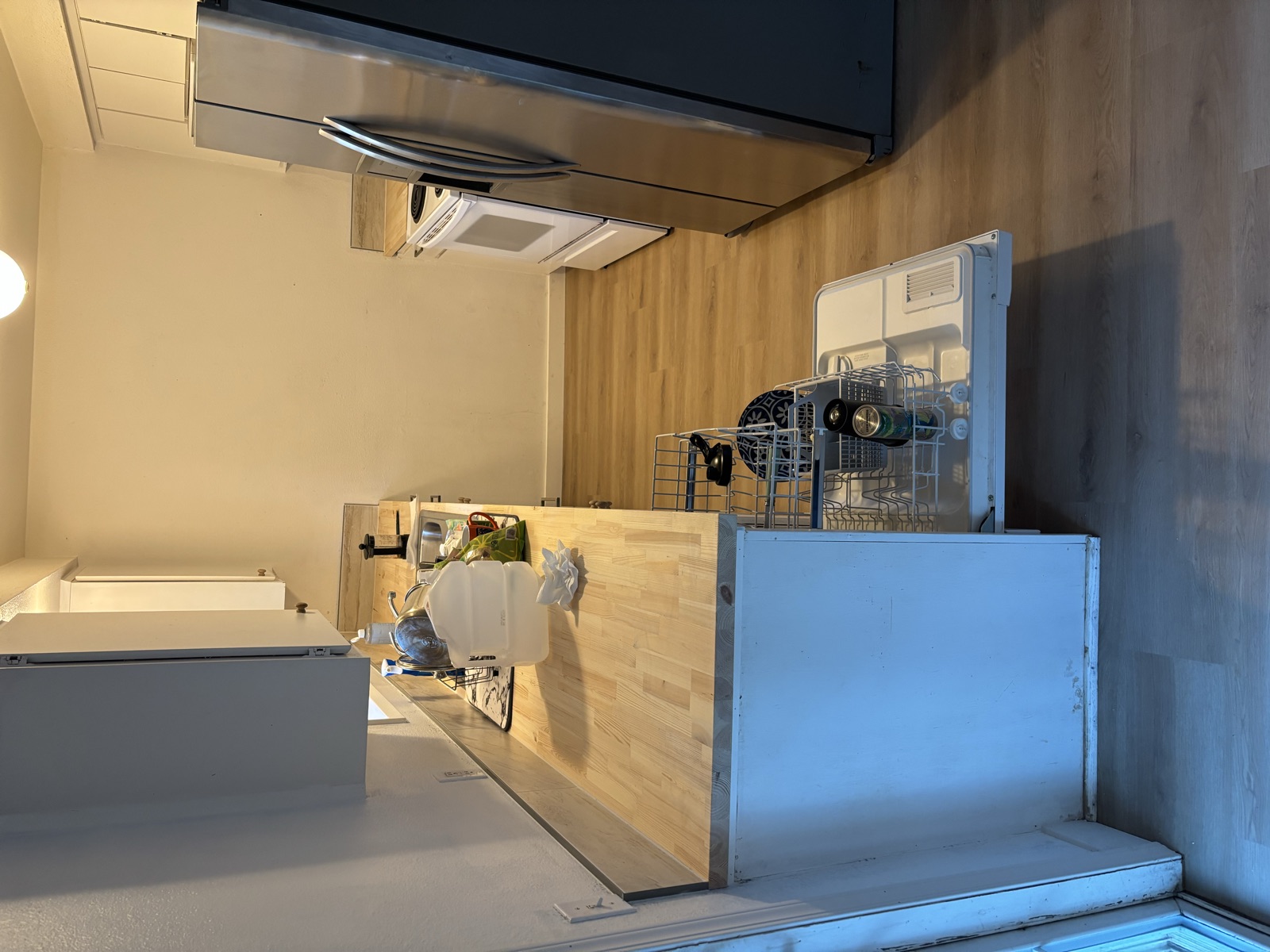
An interior refresh: dated tile floors and countertops out, new wide-plank flooring throughout and butcher-block kitchen counters in.
| Gross revenue to date | $ — |
| Annual cash flow | $ — |
| Annualized ROI | — % |
Built things
End-to-end double-entry accounting and tax built from scratch for Packwood Ventures — bank feed reconciliation, deposit-to-invoice matching, amortization schedules, EFTPS handling, and a live dashboard tracking savings rate, runway, and withdrawal metrics. It does everything except call the IRS API. No SaaS products used, on principle.
Full-cycle renovation work: zoning research and navigation, permitting (including working through a red-carded project and getting it done anyway), contractor management, and pricing. Septic design work included — drawings below.
Independent tax and accounting work alongside two years inside a tax firm — individual and business returns, entity questions, and the reconciliation work most people outsource. Currently sitting the EA exams.
Five years shipping production systems — detailed below in the record. The consistent pattern: find the manual process everyone tolerates, automate it, and put a number on the hours recovered.
Philosophy
The principles the record above keeps demonstrating, stated once.
Don't rent what you can own — the property, the software, the books, the equity. Manager-free rentals, in-house accounting, exercised options. Being a component in someone else's machine is the thing to walk away from.
A system isn't finished until it can prove itself correct. Double-entry books, automated economic tie-outs, traced dollars. The satisfying moment is always the same: the books balance, and can show it.
Leave work that ships bespoke exceptions for legacy systems; build the thing that scales, and put a number on the hours it recovers. Measured leverage or nothing.
Spend a quarter of your income. Reinvest the rest. Always — whether it came from your hands or your capital.
— the one rule, from the Income Trilogy
The record
Packwood Ventures
ComboCurve — energy analytics
Olive AI — healthcare automation
Left for ComboCurve about six months before the downsizing: every hospital demanded bespoke exceptions, and I wanted to scale a small problem set rather than do custom development dressed up as product.
Axcess Financial — consumer lending
Health Carousel — travel nursing
Epic — Tapestry (Managed Care)
Most of the job was translating customer requests into technical documentation for a legacy monopoly product. I wanted to create value rather than service a legacy system, so I left to become a developer.
Training